
A practical guide to the surfaces competitive players actually use—and some weird ones from the edges of esports
When people talk about gaming mice, sensors, or DPI settings, they often overlook the other half of the equation: the surface underneath the mouse.
In competitive FPS games, the mousepad isn’t just a desk accessory, it’s an integral part of the aiming system. The texture, friction, and consistency of the surface directly affect tracking accuracy, micro-movements, and how reliably muscle memory translates into in-game movement.
Over the years, a handful of mouse surface types have become dominant among competitive players. At the same time, esports history has also produced a few strange experiments that are worth mentioning.
Below is a practical breakdown of the five most common mouse surfaces used today, followed by a couple of unusual ones that still live in gaming lore.
1. Cloth Mousepads (The Competitive Standard)
Cloth mousepads are by far the most widely used surface in esports today.
They’re typically made from a tightly woven fabric bonded to a neoprene base, which provides a controlled glide with enough friction to stop the mouse precisely. This balance is why cloth pads dominate competitive FPS environments like Counter-Strike 2, Valorant, and Apex Legends.
Most professional players prefer cloth because:
- They offer predictable stopping power
- The glide is consistent across the surface
- They work well with low sensitivity arm aiming
- They’re comfortable for long sessions
Another advantage is size. Modern cloth pads often come in large or extended formats, giving players plenty of room for sweeping movements.
For most people building a competitive setup, a quality cloth pad is the safest starting point.
2. Hybrid Surfaces
Hybrid mousepads sit somewhere between cloth and hard pads.
These surfaces use engineered fabrics or textured materials designed to reduce friction while maintaining some control. They tend to feel faster than traditional cloth while still preserving the stopping power competitive players rely on.
Hybrid surfaces are popular among players who want:
- Faster glide than cloth
- More control than plastic
- A surface that stays consistent longer
Many modern esports-focused mousepads fall into this category because they balance speed and control without being too extreme in either direction.
3. Hard Plastic Mousepads
Hard plastic surfaces were extremely popular during the early days of competitive gaming, especially in the mid-2000s.
Unlike cloth pads, plastic surfaces prioritize speed. The mouse glides with very little resistance, allowing fast flicks and rapid repositioning.
The trade-offs are:
- Less stopping power
- More noise during movement
- Faster wear on mouse feet
Some players still prefer hard surfaces because they allow very quick micro-corrections, but they require a bit more precision in hand control.
4. Glass Mousepads
Glass surfaces occupy a niche but fascinating space in mousepad history.
Unlike cloth or plastic, glass provides an extremely smooth and durable surface that doesn’t wear down the same way softer materials do. Glide is fast and very consistent.
One of the most iconic examples from early esports was the Icemat, a glass mousepad that became legendary among competitive players in the Counter-Strike 1.6 era.
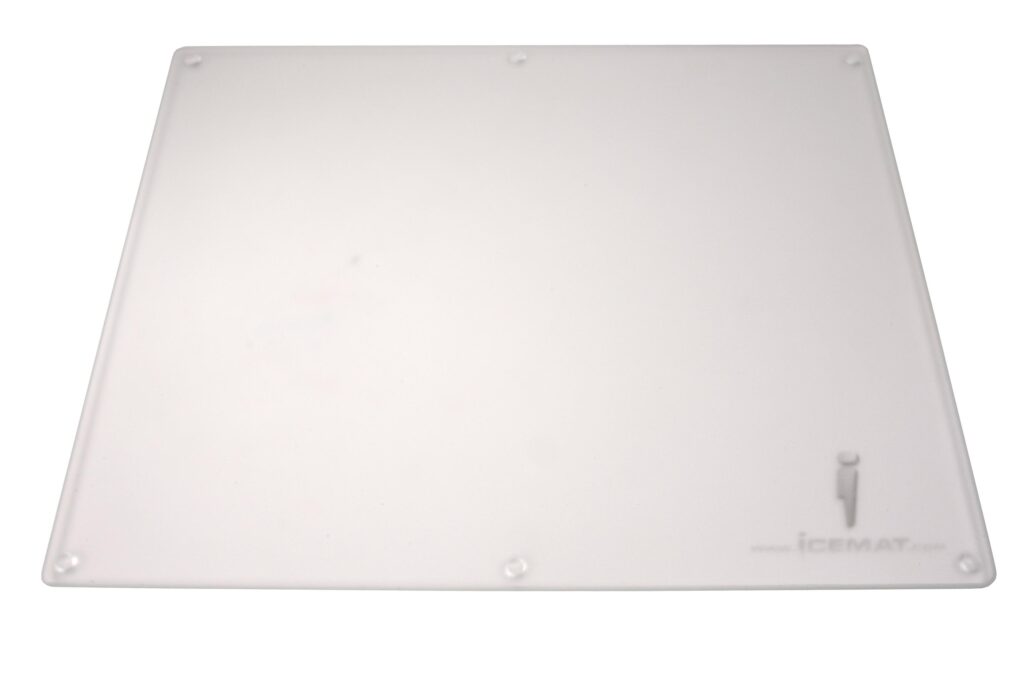
Glass pads offer:
- Extremely consistent glide
- Near-zero surface wear
- A distinctive smooth feel
However, they can be loud, expensive, and sometimes less forgiving for precise stopping. Not to mention the possibility of them breaking!
5. Aluminum and Metal Surfaces
Metal mousepads—usually aluminum—represent another hard-surface alternative.
These pads offer very fast glide and exceptional durability. They also tend to feel cool to the touch, which some players actually prefer during long sessions.
Compared to plastic pads, metal surfaces are:
- More rigid
- Often slightly faster
- Extremely durable
The downside is that they can feel harsh during extended play and may amplify the sound of mouse movement.
The Strange Side of Mouse Surfaces
Competitive gaming has always attracted experimentation. Alongside mainstream surfaces, there have been some truly unusual approaches to improving mouse glide.
The “Wet Mousepad” Technique
One of the more infamous examples came from a professional Counter-Strike player known as fnl, who reportedly wets his mousepad before playing to alter the glide characteristics.
A discussion of this surfaced on Reddit where Nexus player ‘fnl’ wets his mousepad before every map
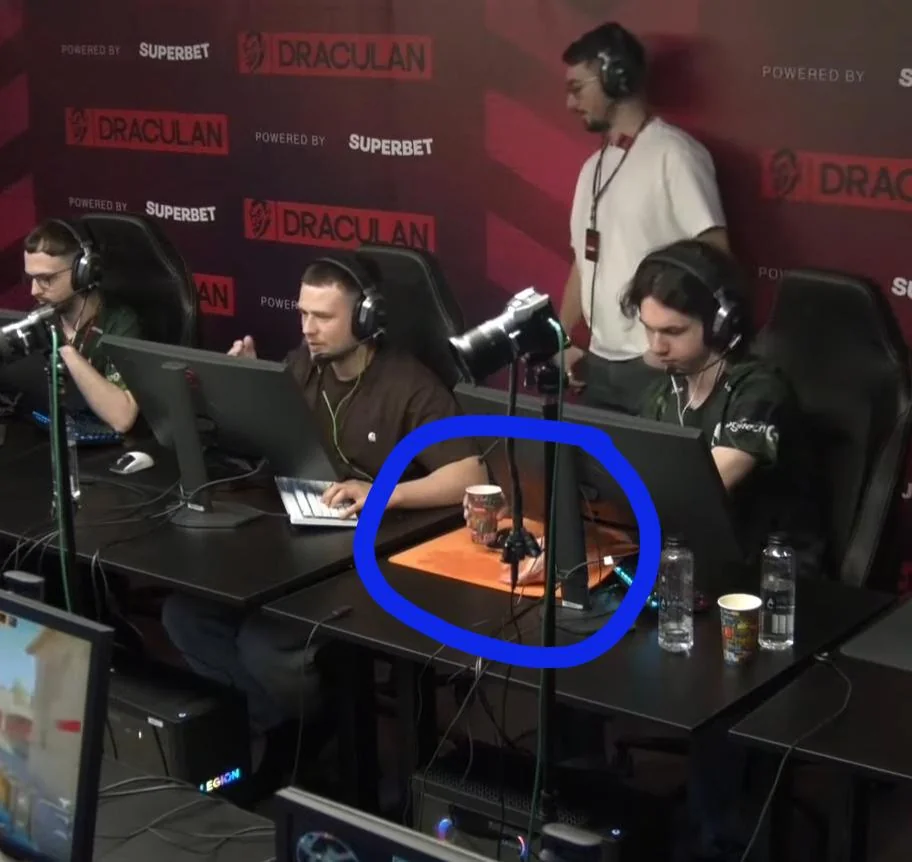
While it might sound bizarre, the idea was that moisture temporarily changes the friction of a cloth surface, making it smoother.
Most players would probably consider this impractical—but it’s a reminder of how seriously competitive players treat their aiming environment.
Desk Surfaces (No Mousepad at All)
Another throwback from early PC gaming: players who skipped mousepads entirely.
Older optical mice sometimes performed well directly on wooden desks or textured laminate surfaces. Today this is far less common because modern gaming mice are tuned around consistent mousepad textures.
Still, it occasionally pops up among minimalists who prefer the feel of a bare desk.
The “Paper Trick”
Another odd workaround from older competitive scenes involved using plain sheets of paper as a temporary mouse surface.
In the early optical mouse era—when sensors were much more sensitive to surface patterns—some players discovered that printer paper provided surprisingly good tracking. The micro-texture of the paper gave sensors enough variation to read movement accurately, while the smooth finish allowed for reasonably fast glide.
At LAN events or tournaments where players forgot their mousepads, this became a quick improvisation method. A sheet of paper on top of a desk could actually perform better than glossy surfaces like polished wood or plastic tables.
It was never meant as a permanent setup, but it became one of those classic “in a pinch” solutions that circulated around gaming forums and LAN communities for years.
If you find yourself in this position, don’t forget to tape it down.
Cardboard Surfaces
Another improvised solution that occasionally appeared in older LAN environments was cardboard.
The slightly fibrous texture of cardboard provided decent tracking for early optical sensors, and it was easy to cut to size if someone needed a quick replacement surface. In a crowded tournament hall where desk conditions varied wildly, players sometimes brought cardboard sheets as emergency mousepads.
Of course, durability was terrible. The surface would quickly wear down or develop rough spots, but for a temporary fix it could work surprisingly well.
Choosing the Right Surface
Ultimately, the best mouse surface comes down to personal preference and playstyle.
Players who rely on precise control and low sensitivity typically gravitate toward cloth pads. Those who favor speed and rapid flicks may lean toward harder surfaces.
The most important factor, however, is consistency. Whatever surface you choose should feel predictable every time you sit down to play.
That consistency is what allows muscle memory to develop—and in competitive games, muscle memory is everything.
Looking for esports gear and collectibles? Explore the latest gaming accessories at FPSDesk.com.