
Why one of the oldest gaming mice still has a cult following
Every era of PC gaming has its defining hardware. Mechanical keyboards have their classics, GPUs have their legends, and in the world of competitive mice there’s one name that continues to surface decades later:
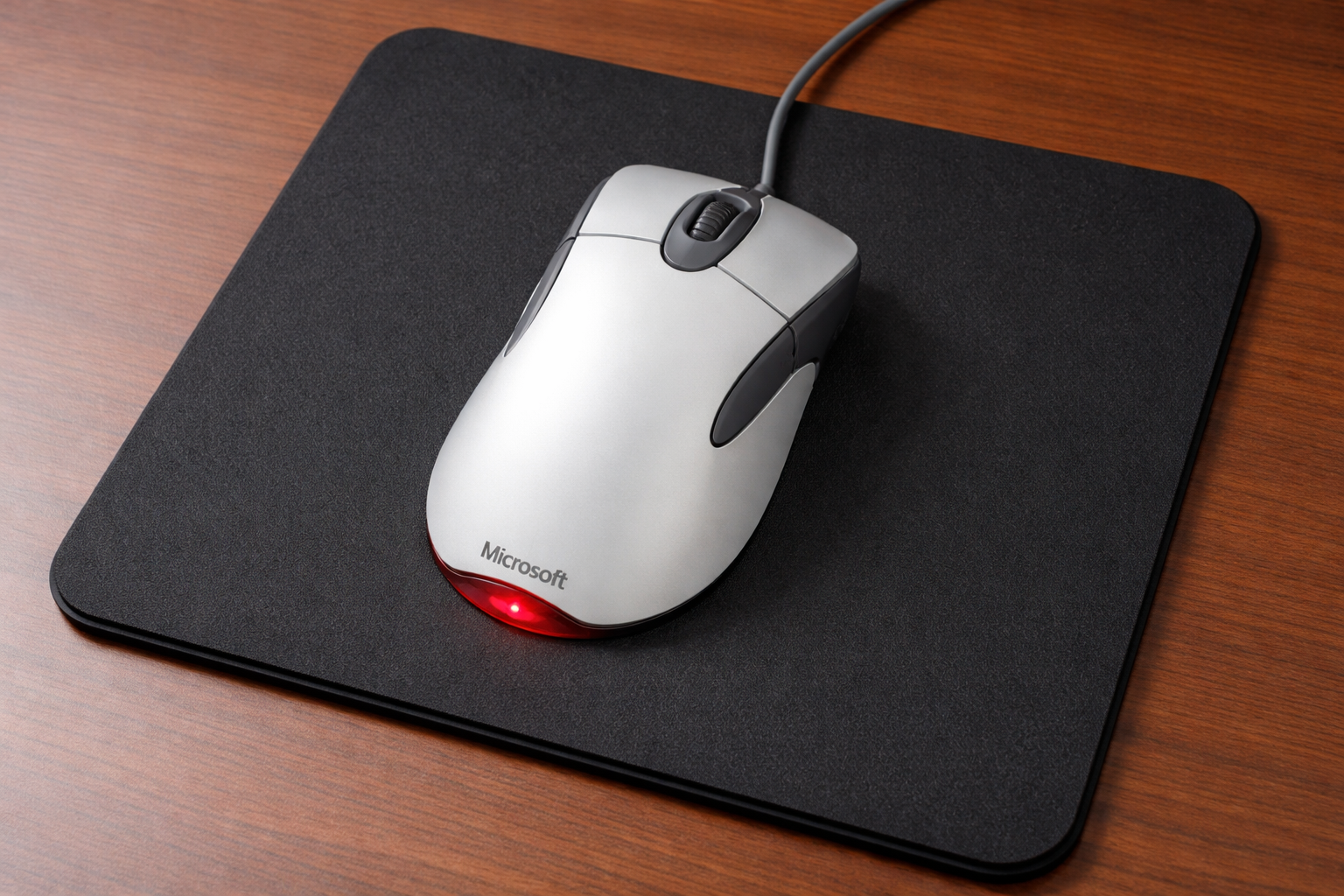
The Microsoft IntelliMouse Explorer 3.0.
Released in the early 2000s, the IntelliMouse Explorer 3.0—often shortened to IE3.0—became one of the most influential gaming mice ever made. Long before the era of lightweight esports mice, 8K polling rates, or 30,000 DPI sensors, professional players across Counter-Strike, Quake, and other competitive titles were winning tournaments with this simple, understated device.
Even today, it maintains a surprisingly strong cult nostalgia following among esports veterans and hardware enthusiasts.
The Mouse That Defined Early Esports

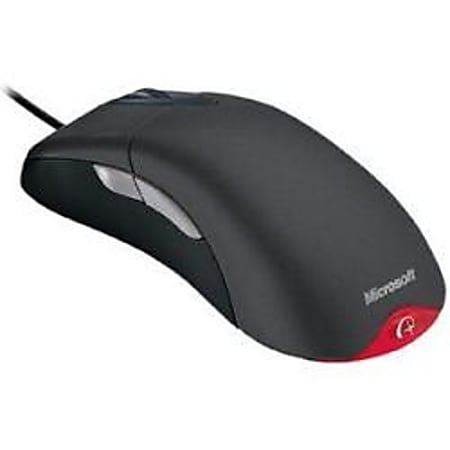
The IntelliMouse Explorer 3.0 was released in 2003 by Microsoft as part of its IntelliMouse product line. It wasn’t marketed as an esports device—because esports as we know it barely existed yet.
But competitive players quickly adopted it.
At the time, many optical mice still struggled with tracking issues, acceleration problems, and inconsistent sensors. The IE3.0 used the Microsoft Optical 3.0 sensor, which provided extremely reliable tracking compared to competing mice of the era.
For games like Counter-Strike, where pixel-precise aiming was everything, that reliability mattered more than flashy features.
The result was simple:
professional players started using it everywhere.
Throughout the mid-2000s, the IntelliMouse Explorer 3.0 became a staple in professional Counter-Strike.
Some of the reasons it became so popular included:
- A large, ergonomic right-hand shape
- Reliable optical tracking with minimal issues
- Solid build quality
- Simple design without unnecessary features
- Comfortable grip for long tournament sessions
For many players, the mouse just felt right.
A Shape That Became a Blueprint
One of the most important aspects of the IntelliMouse Explorer 3.0 was its shape.
The large ergonomic curve fit naturally into a palm grip, allowing players to rest their hand comfortably during long sessions. The placement of the thumb buttons also became a reference point for many later gaming mice.
In fact, several modern esports mice trace their design lineage directly back to the IE3.0’s shape.
Manufacturers across the industry borrowed from its ergonomics, making it one of the most influential mouse designs ever produced.
The Sensor: Simple but Reliable
By modern standards, the technical specs of the IntelliMouse Explorer 3.0 seem modest.
Typical specifications included:
- ~400 DPI optical sensor
- Red LED tracking
- USB wired connection
- Two side buttons
- 125 Hz polling rate
Yet despite those modest numbers, the mouse delivered extremely consistent tracking, which is what competitive players actually needed.
It also avoided one of the biggest problems of early gaming mice: prediction and acceleration issues that could ruin aim in FPS games.
For many players, the IE3.0 simply tracked better than the competition.
The Disappearance (and the Nostalgia That Followed)
Eventually, newer gaming mice began to dominate the market.
Companies like Razer, Logitech, and SteelSeries started building mice specifically for esports audiences, with higher DPI sensors, improved polling rates, and more specialized designs.
As a result, the IntelliMouse Explorer 3.0 slowly disappeared from store shelves.
But something interesting happened afterward.
Instead of fading away entirely, the mouse began to develop a nostalgia-driven cult following. Competitive players who had used it during the golden era of LAN tournaments continued to hunt for replacements when their old units finally wore out. In some instances, bringing modern sensors into the old chassis.
Online forums and esports communities regularly discussed the mouse years after production stopped.
The Surprise Return
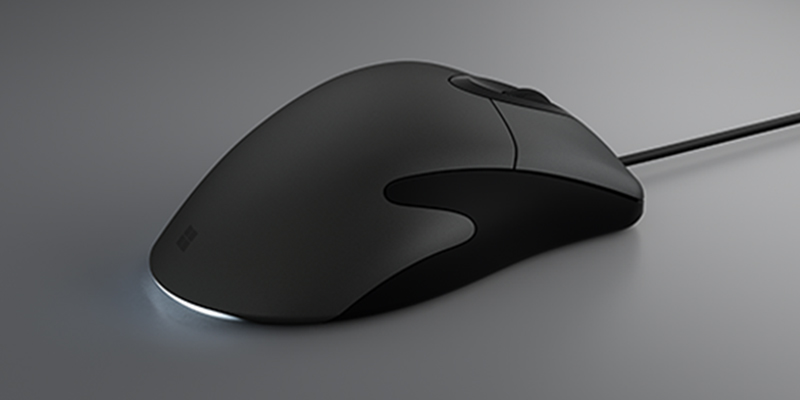
In 2017, Microsoft surprised the gaming world by reviving the design with the Classic IntelliMouse.
This modern refresh preserved the iconic shape but updated the internals with a newer sensor and modern hardware improvements.
For longtime fans of the original IE3.0, the re-release felt like a tribute to one of gaming’s most beloved peripherals.
It also confirmed something many players had believed for years:
The IntelliMouse wasn’t just a relic—it was a design that still held up.
The Collector Market Today
Because of its historical significance, the original IntelliMouse Explorer 3.0 has become something of a collector’s item.
Depending on condition, original units often sell on secondary markets such as:
- eBay
- retro hardware marketplaces
- enthusiast gaming forums
Typical price ranges today look roughly like:
- $40–$70 for used working units
- $80–$150+ for clean or boxed examples
- Occasionally higher for rare variants or pristine condition
For a mouse that originally retailed for a fraction of that price, the longevity of its value speaks to the reputation it built among competitive players.
Why the IE3.0 Still Matters
The IntelliMouse Explorer 3.0 represents an important moment in gaming history.
It emerged at a time when competitive PC gaming was still forming its identity. Players were experimenting with equipment, discovering what worked, and slowly defining what esports gear should look like.
The IE3.0 succeeded not because of marketing hype or flashy specs—but because it performed reliably when it mattered most.
That reliability made it one of the defining peripherals of early esports.
And even today, when gaming mice have sensors capable of tens of thousands of DPI and ultra-lightweight designs, the legend of the IntelliMouse Explorer 3.0 still holds a special place in competitive gaming culture.
Sometimes the most influential hardware isn’t the most advanced.
It’s the gear that simply worked when players needed it.
References
- Microsoft IntelliMouse Explorer 3.0 historical product documentation and hardware archives
- Microsoft announcement of the Classic IntelliMouse revival (2017)
- Early competitive hardware discussions from Counter-Strike and esports community forums
- Secondary market listings across eBay and retro PC hardware marketplaces